
Your voice matters! AISES is seeking to fill three (3) Board of Director’s seats. All AISES professional and college members in good standing are eligible to vote online for a maximum of three nominees.
AISES Bylaws allow for up to two (2) Associate Member* positions on the Board. Given the current make-up of the board, in this election cycle (2026) one seat may be filled by an Associate Member.
Open Board vacancies will be filled by the candidates that receive the most votes during the general election. Each newly elected board member will serve a three-year term.
The online ballot is pre-set to close at 5:59 pm (HST); 7:59 pm (AKDT); 8:59 pm (PDT); 9:59 (MDT) pm; 10:59 pm (CDT); 11:59 pm (EDT) on the deadline. Once closed, no further ballots are accepted by the platform.
Having trouble voting?

Dr. Kenneth L. Bowen is an enrolled member of the Lumbee Tribe with ancestral ties to the Pee Dee Tribe, an educator, researcher, and advocate for Indigenous peoples. He currently serves as Assistant Professor and Program Coordinator of the Master of School Administration Program at North Carolina Agricultural and Technical State University.
Dr. Bowen brings more than two decades of leadership experience across PK-12 education, higher education, educational consulting, and nonprofit service. Throughout his career, he has remained committed to expanding educational opportunities for Indigenous students and communities through leadership, workforce development, digital access, and STEM education.
Since being elected to the AISES Board of Directors in 2023, Dr. Bowen has served as Board Secretary, Chair of the PK-12 Education Committee, Chair of the Artificial Intelligence Committee, and Vice Chair of the Professional Development Committee. He has helped advance initiatives focused on Indigenous student pathways, emerging technologies, professional growth, and strategic partnerships.
A first-generation college graduate, Dr. Bowen believes in the power of education to transform families, communities, and future generations. His leadership is guided by service, collaboration, accountability, and a deep commitment to the AISES mission of substantially increasing the representation of Indigenous peoples in STEM studies and careers.
Why do you want to serve on the AISES Board of Directors?
Serving on the AISES Board of Directors has been one of the most meaningful opportunities of my professional career. As an Indigenous educator and first-generation college graduate, I understand the transformative impact AISES has on students, professionals, and communities.
I am seeking a second term because I believe AISES is uniquely positioned to help Indigenous peoples thrive in emerging fields such as artificial intelligence, data science, engineering, environmental stewardship, and workforce innovation. During my first term, I have worked to strengthen PK-12 engagement, professional development opportunities, and conversations surrounding responsible AI and Indigenous sovereignty.
A second term would allow me to build on this momentum, deepen partnerships, support strategic initiatives, and continue advocating for programs that create pathways for Indigenous learners from elementary school through professional careers. I remain committed to serving AISES with integrity, collaboration, and a focus on long-term impact for future generations.
Please describe your experience, association, service with AISES?
My involvement with AISES began through a shared commitment to increasing opportunities for Indigenous students in STEM education and leadership development. Since joining AISES, I have actively participated in conferences, professional development initiatives, and national programming.
In 2023, I was elected to the AISES Board of Directors. During my current term, I have served as Board Secretary, Chair of the PK-12 Education Committee, Chair of the Artificial Intelligence Committee, and Vice Chair of the Professional Development Committee.
I have helped organize and support educational programming, conference presentations, student engagement activities, and strategic discussions related to emerging technologies and workforce development. I have presented on topics including digital equity, Indigenous education, generational power, artificial intelligence, wellness, and leadership.
Through these roles, I have worked collaboratively with fellow board members, staff, students, and community partners to advance the AISES mission and strengthen opportunities for Indigenous peoples across educational and professional pathways.
Please share your previous experience in serving on a nonprofit board of directors. Specify your understanding of the associated fiduciary responsibilities: Duty of Care, Duty of Loyalty, and Duty of Obedience required of an AISES Board member.
My nonprofit and public service board experience spans educational, economic development, historic preservation, and Indigenous-serving organizations. In addition to serving on the AISES Board of Directors, I currently serve as a Board Member on the Southeastern Economic Development Commission (SEDC), a regional organization focused on economic growth, workforce development, infrastructure investment, and community advancement across southeastern North Carolina. I also serve on the Scotland County Historic Properties Commission, supporting the preservation and promotion of historically significant sites and cultural resources.
Throughout my career, I have served on numerous advisory councils, educational committees, and community organizations focused on leadership development, educational equity, workforce readiness, and community engagement. These experiences have strengthened my understanding of governance, strategic planning, fiscal stewardship, policy development, risk management, and stakeholder engagement.
As a board member, I believe effective governance requires collaboration, transparency, accountability, and a steadfast commitment to mission-centered decision-making.
Describe your previous fundraising experience for a board of directors or in your profession.
Throughout my career, I have been actively involved in fundraising, grant development, partnership cultivation, and resource acquisition across K-12 education, higher education, and nonprofit organizations.
I have successfully secured and supported funding initiatives totaling millions of dollars through partnerships with federal, state, corporate, and foundation sources. These efforts have included grants focused on STEM education, school improvement, cybersecurity, workforce development, educational technology, leadership development, and student success.
In addition to grant writing, I have worked closely with community organizations, business partners, philanthropic groups, and educational institutions to develop sustainable funding strategies and collaborative initiatives. My fundraising approach emphasizes relationship building, mission alignment, measurable outcomes, and stewardship.
I recognize that fundraising is not solely about securing financial resources—it is about cultivating partnerships that expand opportunities, strengthen organizational capacity, and advance the mission of the organization for future generations.
A nonprofit’s board is responsible for adhering and/or defining an organization’s mission and for providing overall leadership and strategic direction to the organization. Please describe your understanding of these responsibilities.
I understand that nonprofit board members are entrusted with fiduciary responsibilities that ensure the organization’s long-term success and integrity.
Duty of Care requires board members to act prudently, remain informed, participate actively in decision-making, and exercise sound judgment when overseeing organizational affairs.
Duty of Loyalty requires board members to place the interests of the organization above personal or professional interests, avoid conflicts of interest, maintain confidentiality, and support decisions that advance the mission of AISES.
Duty of Obedience requires board members to ensure that the organization adheres to its mission, governing documents, policies, ethical standards, and applicable laws and regulations.
As a current AISES Board member and Board Secretary, I have consistently embraced these responsibilities by preparing for meetings, engaging in strategic discussions, maintaining accountability, and helping ensure that decisions align with the mission and values of AISES.
Joshua John: Ya’ateeh! It is my honor to wholeheartedly endorse Dr. Kenneth L. Bowen for re-election to the AISES Board of Directors. Having served alongside Dr. Bowen, I have witnessed his exceptional leadership, integrity, and unwavering commitment to advancing opportunities for Indigenous people in STEM. As Board Secretary and chair or leader of multiple committees, including PK–12 Education and Artificial Intelligence, he has consistently demonstrated collaboration, strategic vision, and dedication to the AISES mission. Dr. Bowen is deeply invested in student success, mentorship, and building generational power within Indigenous communities. His experience as an educator, administrator, and professor brings valuable insight to AISES’ partnerships and educational initiatives. He has also been a thoughtful leader in promoting responsible AI and expanding professional networking opportunities for Indigenous students and professionals. Dr. Bowen’s steady leadership, commitment to inclusive dialogue, and passion for advancing Indigenous STEM futures make him an invaluable board member.
Ayesha Coleman Swinton: I am pleased to offer my strongest endorsement of Dr. Kenneth L. Bowen for re-election to the AISES Board of Directors. Through our collaboration on research, presentations, and initiatives supporting Indigenous education and advancement, I have witnessed his unwavering commitment to the AISES mission. Together, we co-authored Transforming Digital Access for Indigenous Communities and have presented at numerous conferences on strategies to expand opportunities for Indigenous learners and professionals. His keynote presentations, including one on leveraging LinkedIn for professional networking, have been highly impactful. Dr. Bowen is also helping establish an AISES chapter at North Carolina A&T State University, creating new pathways for leadership, networking, and STEM engagement. He brings a unique combination of educational expertise, strategic vision, and servant leadership, while championing initiatives in AI, digital equity, PK–12 education, and workforce development. His integrity, collaborative approach, and dedication to Indigenous communities make him an invaluable board member.

Dr. Dube holds a BA in physics from Cornell and a PhD in physics from Princeton. Currently Professor Emeritus at RIT and a previous Fulbright scholar at the University of Manitoba, he has held positions at Kitt Peak, JPL, the University of Michigan, the University of Arizona and Yale. He is a Board Member of AISES and chairs the Higher Education Committee. He is cofounder of the Native Alumni of Princeton. He is an enrolled member of the Abenaki Nation and Mohawk Turtle clan and is a Sequoyah Fellow. He was awarded the 2019 Ely Parker Award from AISES.
Dr. Dube has recently been named CEO of Quantum AI Laboratories, LLC. The company will be focused on fusing quantum physics with AI to provide secure privacy of files, conversations and information. Dr. Dube will also be developing and delivering talks to AISES on the safe and proper use of AI, issues of invention while using AI, and management of AI coding functions for short time to market.
Why do you want to serve on the AISES Board of Directors?
This is a critical time for AISES, for Indigenous students pursuing STEM education and careers, and for our communities. Artificial Intelligence will continue to create upheavals in careers, ecology, and economic foundations worldwide, and our Indigenous communities must be positioned to survive and prosper in this new environment. In my second term on the board, I propose to support AISES’ work on AI through education, mentoring, and advising. We need careful, accurate education on topics such as how AI will affect intellectual property and how we achieve the protection of Indigenous Knowledge and Traditional Ecological Knowledge (TEK). These topics must be addressed in ways that respect our cultures, traditions, and home communities while enhancing the economic position of our families and the career success of our students. Having served on the AISES board for the past three years, I would like to deepen my contribution through a second term.
Please describe your experience, association, service with AISES?
I have been an AISES member since approximately 2009. I am a Sequoyah Fellow and was awarded the Ely Parker Award (AISES’ highest honor) in 2019. Throughout my career as a professor, I supported Indigenous students in research through the NSF, and brought many to both Chapter and Annual AISES meetings. Many have gone on to receive advanced degrees in STEM. My articles on Indigenous STEM education have appeared in Winds of Change and Nature, and I have participated as mentor in Lighting the Path and the Leadership Conference. I have guided and advised the Higher Education Committee through the challenges of the new US administration, and have recommended the use of AISES professionals as consultants. I have participated in topics such as financial challenges facing AISES through numerous Board meetings. I have funded 4 Sequoyah fellows and encourage my Indigenous colleagues to join AISES.
Please share your previous experience in serving on a nonprofit board of directors. Specify your understanding of the associated fiduciary responsibilities: Duty of Care, Duty of Loyalty, and Duty of Obedience required of an AISES Board member.
Throughout my career I have been involved in initiating and supporting non-profit organizations for students. I co-founded the American Indian and Indigenous Studies Program (AIISP) at Cornell in 1971, the Wawatay program at the University of Manitoba in 2019, and the Native Alumni of Princeton in 2020. All of these organizations are non-profit and as co-founder I remained active on their boards through the initial years. I remain active on the Boards at Cornell and Manitoba, and have attended all of the AISES Canada meetings since its inception. I have served on the Ford Foundation Fellowship selection committee, the AISES Parker Award selection committee (since 2023), and AISES presentation awards. Throughout all of these I maintain close attention to my fiduciary responsibilities to the organizations and the standards demanded by the selection committees.
Describe your previous fundraising experience for a board of directors or in your profession.
I have raised significant funding for the activities that I cited above. At Cornell, our presentation to the Board of Trustees released an initial flow of $2 million for the creation of the AIISP and the design of a building (to become Akwe:kon, the dedicated build for the program at Cornell.) In establishing Wawatay at Manitoba I secured more than $300k for an Indigenous Science Conference. This initial conference led to Canada’s adoption of the conference as an annual event to be held at different campuses each year. Canada has supplied all of the funding for this ongoing program. As a professor I secured annual student funding for 6 Indigenous students to attend RIT under a Research Experiences for Undergraduates (REU) and conduct research in our laboratories each summer. Many of these students have since continued on to advanced degrees in STEM including Master’s and PhDs.
A nonprofit’s board is responsible for adhering and/or defining an organization’s mission and for providing overall leadership and strategic direction to the organization. Please describe your understanding of these responsibilities.
A nonprofit board for an organization such as AISES faces special challenges under this new US administration, which seeks to eliminate Diversity, Equity and Inclusion (DEI) programs. Fortunately, we have the superb leadership of Sarah EchoHawk, and the excellent support of her financial staff. She has been able to craft a careful but painful downsizing to help AISES weather this period, and we continue to hold Board meetings on the finances of the organization. It is our responsibility as a board that such actions support our mission and direction, but also to assure the best chances for survival during these difficult times. The Board has been attentive to these issues, and although I am not on the Finance committee, I have elected to attend the Finance meetings not only to understand our situation but to assure that the actions are correct and responsive to our obligations.
Brendan David-John: I provide the highest endorsement possible for Roger Dube’s second term on the AISES board. I have known Roger for 15 years, first meeting him as one of the hosts of a college visit to RIT. He and the Future Stewards Program hosted high schoolers from the Seneca Nation as part of an outreach effort that yielded two students who enrolled and graduated from RIT. Roger also played a key role in my academic journey by encouraging me to apply for an undergraduate research opportunity after only two years of undergrad. These are just a few data points of the impact Roger has had on increasing diversity and Indigenous representation in STEM. Going forward, Roger has a strong perspective on the emergence of AI in all areas of STEM and society that is a critical consideration for supporting and expanding the impact of Indigenous communities, scientists, and engineers.
Gary Burnette: I am pleased to endorse Dr. Roger Dube for re-election to the AISES Board. Roger brings extraordinary credentials — a physics PhD from Princeton, a career spanning Kitt Peak, JPL, Yale, and RIT, and recognition as a Fulbright Scholar and Sequoyah Fellow. He is the recipient of AISES’ highest honor, the 2019 Ely Parker Award. As an enrolled member of the Abenaki Nation and Mohawk Turtle clan, he brings both lived experience and deep commitment to Indigenous communities. In three years of impactful service on the Board, Roger chaired the Higher Education Committee, funded four Sequoyah Fellows, mentored through Lighting the Path, and co founded Indigenous academic programs at Cornell, Princeton, and University of Manitoba. At a moment when AI is reshaping careers and threatening Indigenous Knowledge, Roger’s new role leading Quantum AI Laboratories makes him uniquely positioned to guide AISES through these challenges. He has my full endorsement.

Sunny Myers is a member of the Lumbee and Sappony tribes of North Carolina, an engineer, tech leader, and longtime AISES volunteer dedicated to strengthening Indigenous communities through STEM. Her AISES involvement includes serving as a Chapter Advisor, Region 7 volunteer, Rematriation Advisor, conference speaker, mentor, and recipient of the AISES Blazing Flame Professional Award. She has also proudly represented AISES at conferences, universities, industry events, and national engagements, amplifying Indigenous voices in STEM and technology.
Throughout her career, Sunny has led engineering, operations, and people strategy across the technology industry and serves as Senior Manager of Employee Experience & Belonging at Fastly. She is also the founder and advisor of the AUNTIE Tech Collective, an AISES initiative creating pathways for Indigenous women, girls, Two-Spirit, and non-binary people in technology through mentorship, community, and multigenerational programming.
Sunny serves on several nonprofit boards and brings experience in strategy, governance, partnership development, and community building. As a member of the Board, she is committed to ensuring our members are heard, leading with transparency and collaboration, and helping AISES grow with intention. She believes our future depends on innovation and Indigenous ways of knowing growing side by side…with a little AUNTIE energy.
Why do you want to serve on the AISES Board of Directors?
AISES has played an important role in my journey, and serving on the Board is my opportunity to give back to a community that has invested so much in me. I want to help ensure AISES continues to evolve while staying rooted in our values, our cultures, and our people.
The member experience matters to me. I believe we can do a better job of communicating with our members earlier and more consistently. Our members deserve enough time to engage, prepare, ask questions, and take advantage of the opportunities AISES creates. I also want to ensure our members feel heard and know their voices matter.
As AISES looks to the future, I want to help build an organization that embraces innovation while honoring Indigenous ways of knowing. I believe the best organizations are built with their communities, not for them, and that’s the perspective I would bring to the Board.
Please describe your experience, association, service with AISES?
I found AISES in 2020 during the pandemic, and it didn’t take long for me to realize I’d found something special. It felt like coming home.
Since then, I’ve served as a Chapter Advisor, Region 7 volunteer, Rematriation Advisor, conference speaker, mentor, and founder of the AUNTIE Tech Collective, an AISES initiative supporting Indigenous women, girls, Two-Spirit, and non-binary people in technology. I’ve also participated in several AISES leadership and professional development programs, giving me the opportunity to experience AISES as both a member and a volunteer.
I’ve been honored to represent AISES at conferences, universities, and industry events, build partnerships, mentor students and professionals, and help create opportunities for our community. Those experiences have given me a deep appreciation for the impact AISES has and the responsibility we all share in shaping its future.
Please share your previous experience in serving on a nonprofit board of directors. Specify your understanding of the associated fiduciary responsibilities: Duty of Care, Duty of Loyalty, and Duty of Obedience required of an AISES Board member.
I serve on the boards of Natives in Tech, Triangle Women in STEM, and the Triangle Native American Society. I also serve as an advisor to multiple organizations. My board experience also includes past service on nonprofit boards and advisory councils, where I helped organizations navigate growth, rebuilding, governance, and strategic change. These experiences have reinforced that board service is both an honor and a responsibility.
I understand that Board members have a fiduciary duty to the organization and its mission. That includes exercising informed judgment and due diligence (Duty of Care), acting in the best interest of AISES above personal interests (Duty of Loyalty), and ensuring the organization remains aligned with its mission, bylaws, and legal and ethical responsibilities (Duty of Obedience).
I take those responsibilities seriously and believe Board service means serving the mission and the people, making thoughtful decisions that strengthen AISES and the communities we serve.
Describe your previous fundraising experience for a board of directors or in your profession.
Throughout my nonprofit and professional experience, I’ve helped cultivate partnerships, identify funding opportunities, and connect organizations with resources that advance their mission. Building authentic relationships has always been at the center of my approach.
Through my work with the AUNTIE Tech Collective, I helped build strategic partnerships and secure funding to support Indigenous women, girls, Two-Spirit, and non-binary people in technology. I’ve also identified grant opportunities and partnership connections that have supported AISES and other nonprofit organizations.
I believe the strongest partnerships are rooted in reciprocity, shared values, and mutual benefit. I don’t believe in pursuing funding simply because it’s available. We also have a responsibility to ask whether a funding opportunity requires the extraction of our communities, knowledge, or stories without meaningful benefit in return. The best partnerships strengthen both the organization and the communities we serve.
A nonprofit’s board is responsible for adhering and/or defining an organization’s mission and for providing overall leadership and strategic direction to the organization. Please describe your understanding of these responsibilities.
I believe a Board’s role is to steward the mission by providing strategic leadership, accountability, and clear direction that positions the organization for long-term success. The Board is also responsible for ensuring staff have the clarity, alignment, and support needed to successfully execute that vision.
Leadership means asking thoughtful questions, listening to the community, and balancing today’s needs with our responsibility to future generations. Sometimes that requires making difficult decisions and having honest conversations in service of our members, our communities, and our mission.
I also believe part of the Board’s responsibility is looking around corners. As technology, education, and our communities continue to evolve, AISES has an opportunity to bridge Indigenous ways of knowing with innovation while listening to our Elders, investing in our youth, and ensuring our work creates meaningful impact for the communities we serve. That’s the perspective I would bring to the Board.
Heather Metcalf: I enthusiastically endorse Sunny Myers, recipient of the 2024 AISES Blazing Flame Award, for the AISES Board of Directors. Sunny has been a dedicated AISES leader, contributing her technical expertise, strategic leadership, mentorship, and passion for serving Indigenous communities across AISES programs, chapters, and initiatives. As founder of the AUNTIE Tech Collective, advisor to the AISES Rematriation program, and an active chapter leader, she creates pathways and opportunities for Indigenous students and professionals. Sunny brings valuable nonprofit board experience with Indigenous-led organizations, including Natives in Tech and Triangle Native American Society, with strengths in governance, strategy, partnerships, and mission-driven growth. Professionally, she leads Employee Experience and Belonging at Fastly and has held leadership roles across major technology companies, offering cross-sector expertise, strong business acumen, and a thoughtful perspective that would make her an outstanding addition to the AISES Board.
Shayai Lucero: It is my honor to endorse Sunny Myers for the AISES Board of Directors. Having worked alongside Sunny through AISES initiatives, including AUNTIE Tech Collective and the Rematriation Program, I have seen her lead with humility, vision, and an unwavering commitment to Indigenous communities. Sunny has a rare ability to bring people together, build trust across diverse perspectives, and turn ideas into meaningful action. She invests deeply in students, professionals, and future generations, creating spaces where Indigenous voices are heard, celebrated, and empowered. Her leadership is rooted in integrity, service, and genuine care for others. Sunny understands both the mission of AISES and the responsibility of helping shape its future. I am confident she will serve the Board with wisdom, cultural grounding, strategic insight, and heart. I give Sunny my strongest endorsement and recommend her without reservation.
Madison Satterfield Mathis: My introduction to AISES came through Sunny Myers. At the 2024 National Conference, the same year she received the AISES Blazing Flame Award, she welcomed me in, introduced me to relatives, and shared what made this community so special. What stayed with me most was not just the kindness she showed me, but watching her extend that same care to everyone around her. From students and professionals to first-time attendees and longtime members, Sunny moved through the conference with a deep sense of responsibility. At one point, she shared that AISES felt like home, and as I experienced the conference alongside her, I quickly understood what she meant. Since then, having the opportunity to work with Sunny has only deepened that understanding. She consistently invests her time, energy, and expertise into creating pathways for our relatives. She is brave enough to tackle big problems, have hard conversations, and lead with honesty and authenticity. Her leadership is lived, relational, and rooted in service. I can think of few people better positioned to help guide the future of AISES. I offer my strongest endorsement and am confident Sunny would serve the Board with wisdom, passion, and purpose.
Fawn Sanchez: I am honored to endorse Sunny Myers for the AISES Board of Directors. I have had the privilege of knowing and working alongside Sunny for more than five years, partnering on initiatives that have expanded opportunities for Indigenous communities, increased representation in STEM, and empowered Indigenous youth and women. Sunny is a thoughtful, strategic leader who combines technical expertise, data-driven decision-making, and a community-based mindset. She has an incredible ability to build meaningful partnerships, inspire collaboration, and turn ideas into lasting impact. Whether advocating for Indigenous peoples, strengthening corporate partnerships, or creating pathways for future generations, Sunny leads with integrity, humility, and purpose. She is highly respected within AISES and is known for her generosity, kindness, and unwavering commitment to our community and mission. I have no doubt Sunny will continue to advance AISES’ mission, strengthen our community, and help build the next seven generations of Indigenous people in STEM.
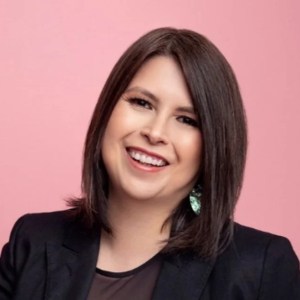
Paula Starr, a Cherokee Nation citizen and the 2024 AISES Professional of the Year, is a nationally recognized leader in Indigenous‑centered technology innovation. Grounded in Cherokee values, she advances approaches to modernizing systems, strengthening cybersecurity, and designing resilient, empathetic digital services that honor community trust.
Her leadership has been featured in Forbes for pioneering a sovereign, culturally rooted model for AI governance, demonstrating how Indigenous worldviews can guide responsible, future‑focused technology ecosystems. Paula’s accomplishments have also earned her the CIO 100 Award, recognition as one of Technology Magazine’s Top 100 Women in Technology, and inclusion in Constellation Research’s BT150 for executives shaping global digital transformation.
As a prospective board member, Paula brings strengths in strategic governance, ethical technology policy, risk management, and long‑range planning. She is experienced in building high‑impact partnerships, expanding organizational capacity, and championing initiatives that elevate Indigenous voices in STEM. Her values‑driven leadership, combined with her record of operational excellence, equips her to contribute thoughtfully and collaboratively to board‑level decision‑making.
Paula seeks to serve on the AISES Board of Directors to expand pathways, representation, and opportunities for Native people in STEM, ensuring that innovation remains aligned with sovereignty, community well‑being, and cultural resilience.
Why do you want to serve on the AISES Board of Directors?
I want to serve on the AISES Board of Directors because technology has become one of the most powerful and omnipresent forces shaping our world and Indigenous peoples deserve to help define that future. Although we remain underrepresented in STEM, our communities bring creativity, resourcefulness, and a deep relational understanding of the world that is urgently needed in today’s technological landscape.
My work is grounded in Cherokee values, and I believe strongly in Indigenous futurism- the idea that our cultural knowledge can guide innovation that is resilient and community‑centered. I bring strengths in strategic thinking, responsible technology leadership, and building pathways that elevate Native talent.
Serving on the AISES Board is an opportunity to help expand representation, nurture the next generation of Indigenous innovators, and ensure our voices shape the technologies that will impact us for generations.
Please describe your experience, association, service with AISES?
Over the years, I have served AISES through speaking and representation roles, including presenting at the AISES Leadership Summit and the AISES National Conference. I have also represented AISES on a national panel at the Reservation Economic Summit (RES). In 2024, I was honored to be named the AISES Professional of the Year, a recognition that reflects my commitment to advancing Indigenous leadership in technology.
Please share your previous experience in serving on a nonprofit board of directors. Specify your understanding of the associated fiduciary responsibilities: Duty of Care, Duty of Loyalty, and Duty of Obedience required of an AISES Board member.
I have not previously served on a nonprofit board of directors, but over the past year I have gained meaningful governance experience as a member of The Current, the AUNTIE Tech Collective Stewardship Council. This service has strengthened my understanding of collaborative governance, ethical leadership, and the responsibilities of stewarding an Indigenous‑focused organization.
I understand the fiduciary duties required of an AISES Board member. The Duty of Care means preparing diligently and making informed, thoughtful decisions. The Duty of Loyalty requires placing AISES’ mission above personal interests and avoiding conflicts. The Duty of Obedience ensures that actions align with AISES’ mission, bylaws, and legal obligations.
I am committed to fulfilling these responsibilities with integrity and values‑driven leadership.
Describe your previous fundraising experience for a board of directors or in your profession.
In my professional role, I have contributed to fundraising and partnership‑development efforts that advance technology innovation and educational opportunity. I have supported the Tribal Innovation Summit by helping expand sponsorships, engage external partners, and elevate the event’s profile as a platform for Indigenous‑centered innovation. My work includes engaging potential funders, shaping value propositions, and cultivating relationships that support the Summit’s long‑term sustainability.
I have also helped establish and strengthen strategic partnerships between Cherokee Nation and organizations such as Deloitte, MIT, and Northeastern State University. These collaborations have generated in‑kind value, technical expertise, and learning opportunities that support workforce development, digital modernization, and innovation training. While not traditional philanthropic fundraising, these efforts have produced high‑impact investment and resource alignment that directly benefit the Nation.
This experience equips me to support fundraising at the board level through a values‑driven, relationship‑centered approach rooted in clarity, trust, and long‑term stewardship.
A nonprofit’s board is responsible for adhering and/or defining an organization’s mission and for providing overall leadership and strategic direction to the organization. Please describe your understanding of these responsibilities.
I understand that the AISES Board of Directors is responsible for safeguarding and advancing the AISES mission while providing strong leadership and strategic direction. Effective board governance requires ensuring that decisions, policies, and resources align with the mission, support long‑term impact, and uphold AISES’s values. My professional role reflects these same responsibilities: I currently manage the financial and human resources that provide technology service delivery for the tribal government of the nation’s largest federally recognized tribes.
I recognize that board members must think strategically, ask informed questions, monitor organizational health, and uphold accountability. They must balance innovation with stewardship and ensure that actions remain aligned with mission, bylaws, and legal requirements. This understanding, rooted in my leadership experience, guides how I would contribute to responsible, mission‑driven governance as an AISES Board member.
Michael Lavedure: It is an honor to endorse Paula Starr. Having spent the better part of a week with Paula this past month reviewing the Professional of the Year awards, I was deeply impressed by her profound insight, sharp perspective, and invaluable contributions to our conversations. As CIO of the Cherokee Nation, Paula is a distinguished leader who has completely transformed the tribe’s technological capabilities, supporting over 5,000 employees and 470,000 citizens. Her visionary leadership has earned global acclaim, making the Cherokee Nation the first tribal government to win the prestigious CIO 100 Award. From her deep technical acumen and strategic governance to her dedication to innovation within Indigenous communities, Paula exemplifies leadership excellence on both national and global platforms. Her strategic foresight and collaborative energy make her an exceptional fit for governance, and I think she would be a great addition to our board of directors.
James Starr: I am honored to recommend Paula Starr for consideration for a position on the AISES Board. I have known Paula for more than 25 years, beginning with her early service as a Developer/System Administrator at Cherokee Nation Enterprises and continuing through her appointment as Chief Information Officer for the Cherokee Nation in 2021. Her distinguished technology leadership, commitment to Indigenous data sovereignty, and governance experience make her exceptionally well qualified for this role. Paula has received numerous recognitions for her contributions to technology and her leadership in advancing approaches that protect data sovereignty. In 2023, Technology Magazine named her one of the Top 100 Women in Technology, and in 2025, she was recognized as one of 24 federal IT influencers worth following. In her role with the Cherokee Nation, Paula has led efforts to responsibly leverage artificial intelligence while safeguarding data sovereignty and cultural values. Paula is an exceptional technology executive whose integrity and professional judgment are exemplary.